
The cheapest way in
Chogela Safari Camp
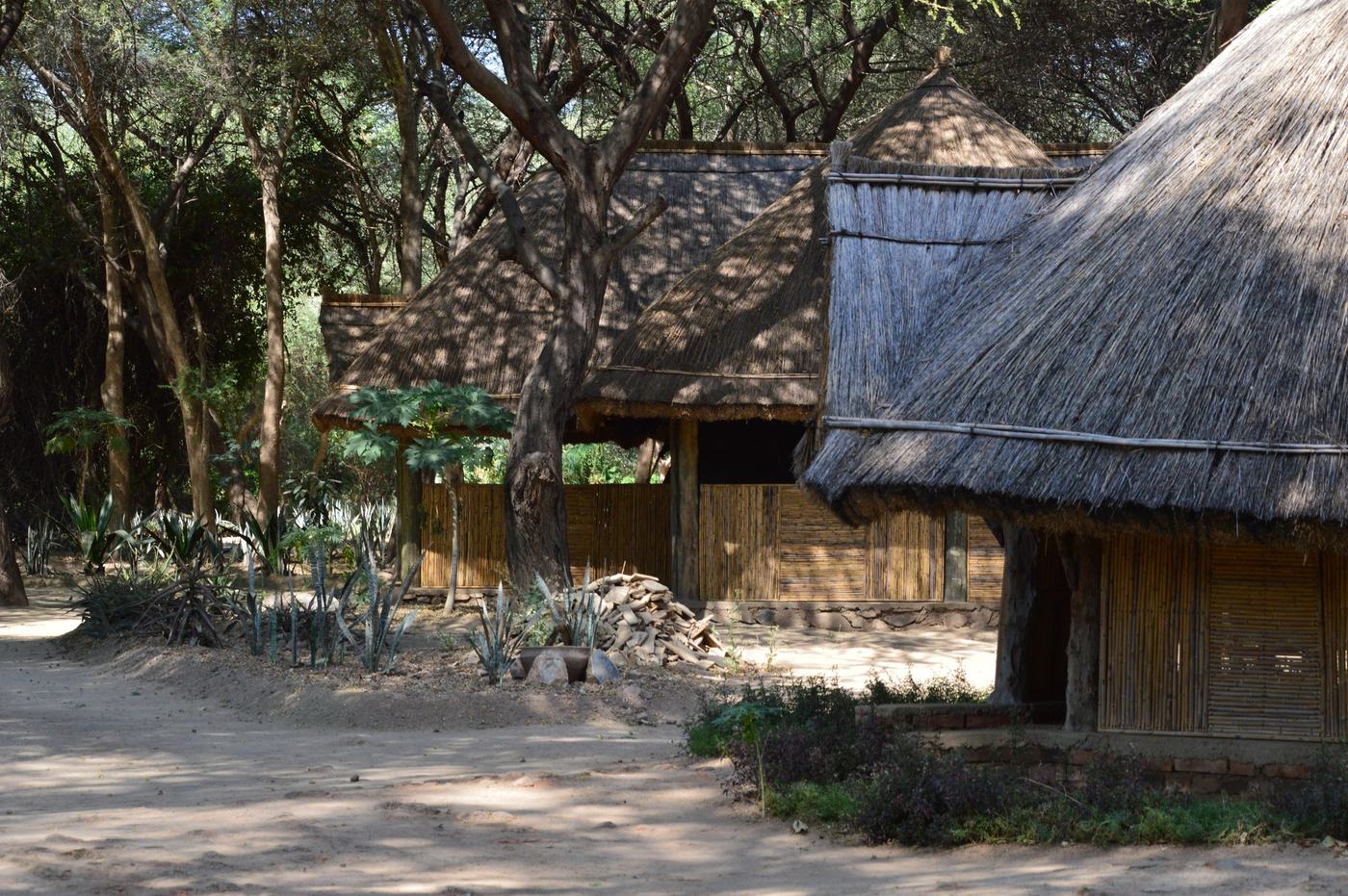
Ruaha's backpacker institution outside the park: pitch your own tent or rent one, and hire a vehicle with driver for the day. The cheapest honest route into the park.
Southern Tanzania · est. 1964
Twenty thousand square kilometres of baobab hills and lion country, with a fraction of the safari traffic of the north. This guide covers everything you need: current entry fees, every lodge and camp, and how to actually get here.
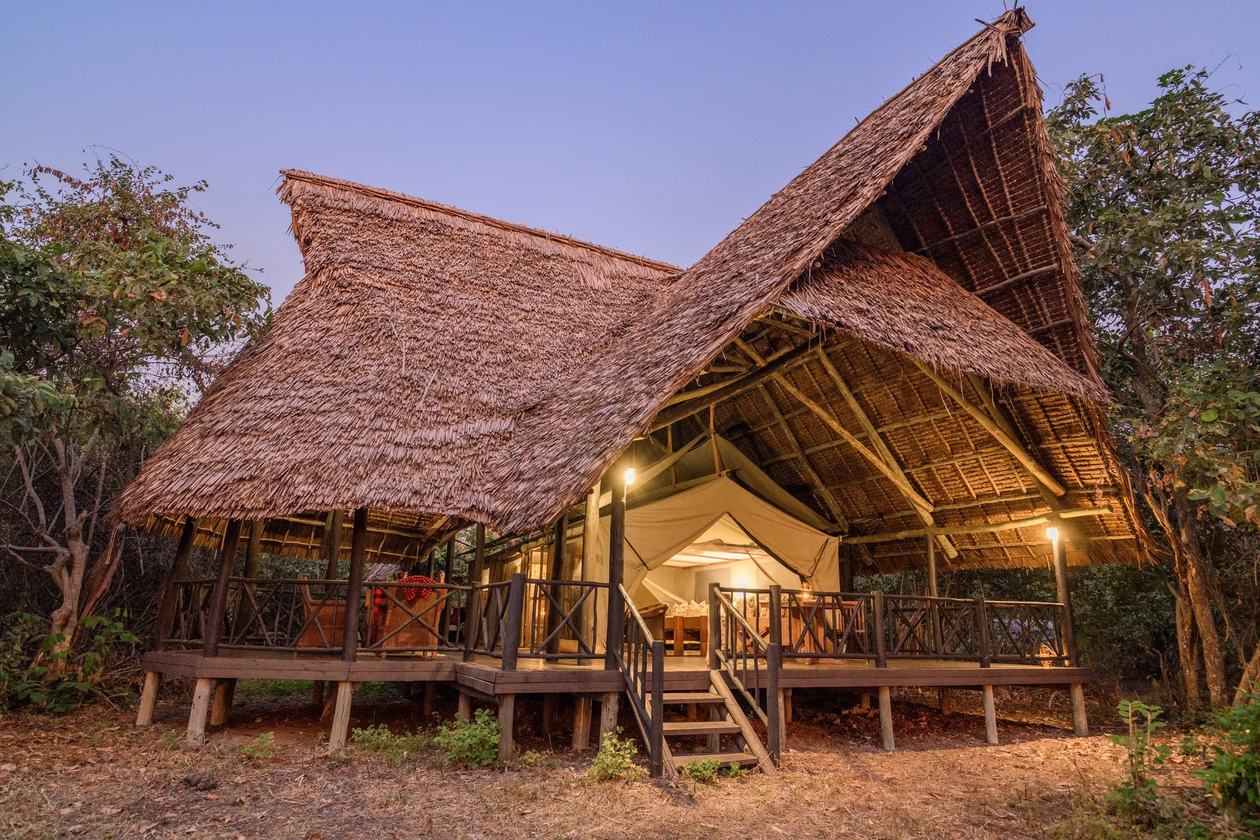
Photo: Richard Mortel (CC BY 2.0)
Ruaha lies in south-central Tanzania, 108 km from the regional town of Iringa on the road most visitors use to reach the park. At 20,226 km² it is Tanzania's second-largest national park, more than twice the size of the Serengeti's core, with a fraction of the visitors.
This guide is written by someone who overlanded much of Africa in his own Land Cruiser with a rooftop tent, and for whom the national parks were what stayed. The information about them online was usually missing, wrong or years old: fees from three tariff sheets ago, camps that had closed, roads described by people who had never driven them.
So this guide runs on the park authority's own tariff document rather than a copied operator page, on thirty-year climate normals rather than brochure weather, and on what the camps tell us directly. Every claim carries a date. Where TANAPA is silent, so are we, apart from saying that it is silent.
Nothing here is for sale. Listing a camp is free and no position on any page can be bought. Some outbound links earn us a small commission, and that changes neither the order of a list nor a single figure on these pages.
Found something out of date? Tell us and it changes the same week.
Eighteen places to stay, from a backpacker campsite to an exclusive-use villa. These four are not the best four; they are the four that mark out the range.
The cheapest way in
Ruaha's backpacker institution outside the park: pitch your own tent or rent one, and hire a vehicle with driver for the day. The cheapest honest route into the park.
Park-run, a step up
Simple park-run bandas, cottages and campsites at Msembe headquarters, with river views and elephants passing through camp for a fraction of lodge prices.
Mid-range, in the park
Stone bandas scattered along the rapids of the Great Ruaha, where the game viewing starts from your own veranda, at the best value inside the park.
The top end
Banyan Group's first African safari lodge, six vast off-grid villas above the river, opening in the second half of 2026. Verify opening status before booking.
Exactly what Ruaha costs per day. Conservation fees, vehicle fees, camping and activities, with VAT explained.
See the fees →From riverside luxury camps to budget stays outside the gate, with prices, seasons and locations.
Browse lodges →Scheduled flights to Msembe and Jongomero, or the long road in via Iringa. Times, costs and what to expect.
Plan the route →Big lion prides, wild dogs, both kudus and 574 bird species where East and Southern Africa meet.
What you'll see →Dry-season river action from June to October, green-season birding from December. Month by month.
Pick your month →Game drives, walking safaris with an armed ranger, night drives and picnic sites along the Great Ruaha.
See activities →Our own research
We collect the official tariff of every park we cover, convert it, and hold each one to the same standard day. Twenty-nine parks are in the index now, the famous ones included. These three pages come out of that table.
Ngorongoro charges $278 for a standard day and $148 of that is the descent into the crater. The ranking straight down, with the line item behind each number.
See the ranking →One person, one car, no one to split the vehicle fee or the campsite with. Uganda's foreign-vehicle tariff turns the order upside down.
See the self-drive ranking →The highest nightly rates any camp in our network puts in writing, and why the real top of the market names no price at all.
See the rates →Every change to this guide, dated.